

Semi-precious stones have long captivated humanity with their beauty, variety, and relative affordability compared to precious gemstones like diamonds, rubies, and sapphires. As a semi-precious stone supplier, I've had the privilege of exploring the fascinating world of these gemstones and understanding the factors that influence their cost. In this blog post, I'll delve into the intricacies of semi-precious stone pricing, shedding light on what makes each stone unique and how much you can expect to pay.
Understanding Semi-Precious Stones
Before we dive into the cost, let's clarify what semi-precious stones are. The term "semi-precious" is a traditional classification used to distinguish gemstones that are less rare and valuable than precious stones. However, this doesn't mean that semi-precious stones lack beauty or quality. In fact, many semi-precious stones are highly sought after for their stunning colors, patterns, and metaphysical properties.
Some common examples of semi-precious stones include amethyst, turquoise, garnet, peridot, citrine, and moonstone. Each of these stones has its own distinct characteristics, which can significantly impact its price.

Factors Affecting the Cost of Semi-Precious Stones
The price of semi-precious stones is determined by a variety of factors, including:
- Rarity: As with any commodity, the rarer a semi-precious stone is, the more expensive it tends to be. Stones that are difficult to find or have limited sources are generally priced higher than more common varieties.
- Color: Color is one of the most important factors in determining the value of a semi-precious stone. Vibrant, saturated colors are typically more desirable and command higher prices than dull or pale hues. For example, deep purple amethysts are more valuable than lighter shades.
- Clarity: Clarity refers to the presence of inclusions or imperfections within the stone. Stones that are free of visible inclusions are considered more valuable than those with significant flaws. However, some inclusions can actually add character to a stone and may not necessarily reduce its value.
- Cut: The cut of a semi-precious stone can greatly affect its appearance and value. A well-cut stone will have good symmetry, proportions, and polish, which enhances its brilliance and sparkle. Poorly cut stones may appear dull or lackluster and may be priced lower.
- Carat Weight: Carat weight is a measure of a stone's size. Generally, larger stones are more valuable than smaller ones, all other factors being equal. However, the price per carat can vary depending on the rarity and quality of the stone.
Pricing Ranges for Common Semi-Precious Stones
The cost of semi-precious stones can vary widely depending on the factors mentioned above. Here are some general pricing ranges for common semi-precious stones:
- Amethyst: Amethyst is a popular purple quartz that ranges in color from pale lilac to deep purple. The price of amethyst can vary depending on the color, clarity, and size of the stone. On average, you can expect to pay anywhere from $5 to $50 per carat for amethyst.
- Turquoise: Turquoise is a blue-green stone that has been prized for centuries for its beauty and cultural significance. The price of turquoise can vary depending on the quality, color, and origin of the stone. High-quality turquoise can cost anywhere from $50 to $500 per carat, while lower-quality stones may be priced as low as $1 to $5 per carat.
- Garnet: Garnet is a group of minerals that come in a variety of colors, including red, green, orange, and yellow. The price of garnet can vary depending on the color, clarity, and size of the stone. On average, you can expect to pay anywhere from $5 to $100 per carat for garnet.
- Peridot: Peridot is a bright green stone that is known for its beautiful color and affordability. The price of peridot can vary depending on the color, clarity, and size of the stone. On average, you can expect to pay anywhere from $10 to $50 per carat for peridot.
- Citrine: Citrine is a yellow to orange variety of quartz that is often used as a substitute for yellow diamonds. The price of citrine can vary depending on the color, clarity, and size of the stone. On average, you can expect to pay anywhere from $5 to $50 per carat for citrine.
- Moonstone: Moonstone is a translucent stone that exhibits a beautiful blue or white sheen, known as adularescence. The price of moonstone can vary depending on the quality, color, and size of the stone. On average, you can expect to pay anywhere from $10 to $100 per carat for moonstone.
Specialized Semi-Precious Stone Products
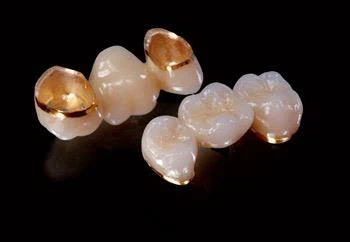
In addition to loose semi-precious stones, we also offer a range of specialized products that incorporate these beautiful gemstones. For example, we have Dental Semi Precious Palladium Gold Crown, which combines the durability of palladium gold with the beauty of semi-precious stones. These crowns are not only functional but also aesthetically pleasing, making them a popular choice for dental restorations.
We also offer Semi Precious Crown and Semi-precious metal palladium-silver crown, which provide a more affordable alternative to traditional precious metal crowns without compromising on quality or style.
How to Determine the Value of Semi-Precious Stones
If you're interested in purchasing semi-precious stones, it's important to have a basic understanding of how to determine their value. Here are some tips to help you make an informed decision:
- Do Your Research: Before making a purchase, take the time to research the specific type of semi-precious stone you're interested in. Learn about its characteristics, pricing trends, and quality factors. This will help you identify high-quality stones and avoid overpaying.
- Inspect the Stone: When examining a semi-precious stone, pay attention to its color, clarity, cut, and carat weight. Look for any visible inclusions or flaws, and make sure the stone has good symmetry and proportions. You may also want to consider having the stone appraised by a professional gemologist to determine its value.
- Buy from a Reputable Supplier: It's important to buy semi-precious stones from a reputable supplier who has a good track record of providing high-quality products. Look for suppliers who offer certification or guarantees of authenticity, and who are willing to provide detailed information about the stones they sell.
- Consider the Price: While price is an important factor to consider, it shouldn't be the only one. Remember that the value of a semi-precious stone is determined by a variety of factors, and a higher price doesn't always guarantee a better-quality stone. Compare prices from different suppliers, but also take into account the quality and characteristics of the stone.
Contact Us for Procurement
If you're interested in purchasing semi-precious stones or any of our specialized products, we'd love to hear from you. Our team of experts is dedicated to providing high-quality products and exceptional customer service. Whether you're a jeweler, a dental professional, or an individual looking for a unique piece of jewelry, we can help you find the perfect semi-precious stone to suit your needs.
Please feel free to contact us to discuss your procurement requirements and to learn more about our products and pricing. We look forward to the opportunity to work with you and to help you bring your creative visions to life.
References
- "Gemstones of the World" by Walter Schumann
- "The Encyclopedia of Natural Healing with Crystals" by Cassandra Eason
- "Gem Identification" by Richard T. Liddicoat and Robert Webster